

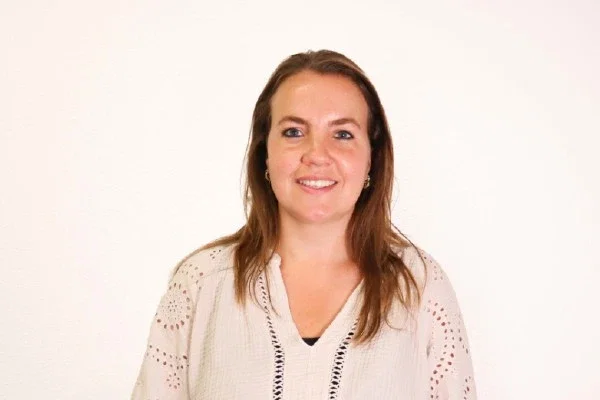
Jill Saija has enjoyed working for 1.5 years as Practice Support Officer company doctor, also known as POB. An, as the name suggests, important support role for the company doctor and Occupational Health Nurse in which there is a lot of direct contact with the absent employee. "A day's story from the employee can already provide so many insights and valuable information for us."
What does a POB do?
A POB is authorized to conduct an interview with the employee, and works under the responsibility of the company doctor. Through a telephone interview, the POB collects (medical) information that may affect the reintegration process. Based on this information, we draw up an advice for both employer and employee, which the company company doctor checks and supplements where necessary.
Jill: "All my interviews take place over the phone, and I regularly get questions about this. Because how can someone determine over the phone how sick someone is? Or what attitude someone takes during this conversation? Given the questions we ask during this conversation, we can often draw exactly the same conclusions as during a physical conversation. For example, we ask someone's daily story, this often to the great surprise of the employees. After all, why do we want to know what someone does from morning to night?
Daily load and load capacity
Using a daily story, we can determine what a person's workload capacity is in a day. At a time when someone is home alone and also responsible for housework, shopping and cooking, this employee should also be able to distribute his load capacity at the time the employee is at home. Of course, this also applies if there are children living at home. Should the employee live together with a partner who does a lot of childcare, we don't have to take that bit into account as much. It is also important whether someone sleeps well at night and gets through the day without sleeping during the day. Should the employee not sleep well at night and not get through the day without sleeping during the day, then it is important to take this into account in reintegration as well.
In short, we can get a lot of information from a daily story. What else does an employee do after work? Why is the employee able to exercise after work, or meet up with friends, but unable to work longer? Or why does the employee want to work so much at one time, while employee can only sleep at home afterwards? What time does the employee go to bed? Is this appropriate for the energy the employee needs to have for the next day?
A simple question
For someone it is very simple to share how they get through the day. But for us as practitioners, it is incredibly important to be able to assess the workload. What should we take into account, what is the balance that needs to be taken into account in the employee's life, and how can we best distribute the build-up throughout the week?
The feedback we give is always based on all the points we ask the employee regarding his life, absenteeism and work.
Want to know more?
Learn more about how we work or contact us for more information about our occupational health and safety services.


